There are several factors to consider when picking out a new dishwasher for your home. Along with choosing the right size and capacity, you need to review the brand, color, and features.
Additionally, before you buy, it’s important to understand the differences between plastic vs stainless steel dishwasher models and which is the best option for your home and budget. There are pros and cons to each, which means there is no clear winner for all households. However, with the help of this guide, you’ll be able to review your options and determine whether you’re team plastic or team stainless steel.
Discover Dishwasher Deals
Whether you prefer plastic or stainless steel dishwashers, we have a wide selection for you to explore at East Coast Appliance.
Plastic vs. Stainless Steel Dishwasher: Quick Comparison
If you only have a minute, this table covers the whole decision. The details behind each row follow below.
| Factor | Plastic Tub | Stainless Steel Tub | Winner |
|---|---|---|---|
| Typical Price | Roughly $400 to $750 | Roughly $600 to $1,200 and up | Plastic |
| Drying Method | Relies on a heating element | Condensation drying off cool metal walls | Stainless |
| Energy Use | Higher, because heated dry runs longer | Lower, since retained heat does the work | Stainless |
| Noise Level | Generally 50 dBA and above | Commonly 40 to 50 dBA | Stainless |
| Staining and Odor | Porous surface absorbs stains and smells | Non-porous and highly stain resistant | Stainless |
| Rust Risk | None — plastic cannot corrode | Low, but possible where the finish is damaged | Plastic |
| Durability | Can warp or crack under repeated high heat | Handles high-temperature cycles indefinitely | Stainless |
| Sanitize Cycles | Limited on many entry-level models | Standard, since steel tolerates the heat | Stainless |
| Best For | Rentals, second kitchens, tight budgets | Daily family use and open-plan kitchens | Depends on you |
What Is a Dishwasher Tub and Why Does It Matter?
The tub is the interior cavity of the dishwasher — the walls, ceiling, and floor that hold your racks and contain the wash. It is the part you only see when the door is open, and it is almost never mentioned on a showroom price tag, which is why so many buyers never think about it until after they own the machine.
An important clarification before you shop: the phrase “stainless steel” in a product name almost always refers to the exterior finish, not the tub. A dishwasher advertised as a “24" Fingerprint Resistant Stainless Steel Built-In Dishwasher” can absolutely have a plastic tub inside. If tub material matters to you, check the spec sheet for a line reading Tub Material, or open the door and look at the interior walls. This single point of confusion is behind a large share of buyer disappointment.
Tub material drives four things you will actually notice day to day: how dry your dishes are at the end of a cycle, how much noise the machine makes, whether the interior looks clean in five years, and how much energy each load consumes. Everything else in this comparison flows from those four.
Pros and Cons of a Plastic Tub Dishwasher
There are several reasons to add a plastic interior dishwasher to your home, but also a few drawbacks. Here are the pros and cons to consider:
Pros
You Can Save Money
Plastic tub models sit at the entry level, generally running $400 to $750. Choosing plastic over an otherwise comparable stainless model typically saves $100 to $300.
They Don’t Rust
Plastic cannot corrode, so a scratched or chipped interior will never develop the rust spots that a damaged steel finish can. Many plastic models won’t show their wear or create rust even after years of use.
Warmer to the Touch
Because plastic doesn’t conduct heat the way steel does, the interior is safe to reach into sooner after a hot cycle finishes.
Perfectly Capable for Light Use
For a rental, a guest kitchen, or a household running a few loads a week, a plastic tub cleans just as well and the lifespan difference matters far less.
Cons
They Stain and Hold Odor
Plastic is porous, so tomato sauce, coffee, turmeric, and hard water minerals discolor the interior over time, and the surface can absorb smells that linger between cycles.
They Are Less Energy Efficient
Plastic doesn’t retain heat, so these machines lean on a heating element to dry. That runs longer and costs more in water and electricity over the life of the appliance.
They Are Typically Louder
Thin molded plastic doesn’t dampen sound or vibration well, so you notice more churning and motor hum. Most plastic tub models sit at 50 dBA or above.
These Units Won’t Last as Long
Repeated high-temperature cycles gradually warp and craze plastic, and these dishwashers lack the durability of stainless models under heavy daily use.
There is a lot of give and take when choosing between plastic vs stainless steel dishwasher options. While you might save in the short run with a plastic dishwasher tub, you also might need to replace your dishwasher sooner than you would a stainless model.
Best Plastic Tub Dishwasher Option
If you need to choose between a plastic vs stainless steel dishwasher, start by reviewing your plastic options. Genuinely plastic-tub models are concentrated at the entry level, and this is the standout of the group. You can see the full range on our dishwasher category page, where each product listing states its tub material in the specifications.
GE® 24" Fingerprint Resistant Stainless Steel Built-In Dishwasher
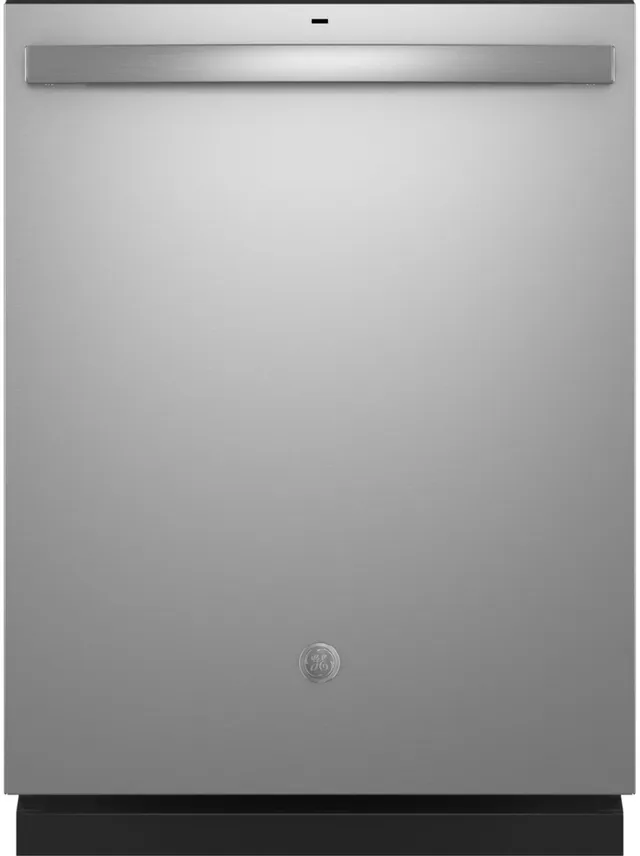
Shop the GE GDT550PYRFS Dishwasher
This dishwasher model by GE is a great example of an affordable dishwasher that still meets your needs. Note that the stainless steel in the product name is the exterior finish — the tub inside is plastic, which is exactly why the price lands where it does.
Even with a plastic drum, it still has a Steam + Sani option that offers a deep clean on your dishes. There is also a rapid one-hour cycle for when you are in a hurry. With nearly 2,000 reviews that highlight the value of this model, this affordable dishwasher with features like AutoSense technology and Dry Boost is a major bargain that easily meets the demands of households. Dry Boost is worth calling out specifically: it is GE’s answer to the drying weakness inherent in plastic tubs, adding heat and airflow to compensate for the material’s poor heat retention.
At 52 dBA and 16 place settings, it sits right where you would expect a well-executed plastic tub machine to sit — audible but not intrusive, and roomy enough for a full family load.
⭐ Featured GE GDT550PYRFS Review
“I bought this dishwasher mainly for the brand and the price but, I love everything about it: from the price to the performance.”
Pros and Cons of a Stainless Steel Tub Dishwasher
There are several benefits of a stainless steel dishwasher tub. These models are increasingly popular with homeowners who view the stainless steel design as a top feature. However, there are some drawbacks as well. Here is what you need to know:
Pros
They Dry Dishes Better
During the final rinse, steam condenses on the cooler metal walls and drains away instead of resettling on your dishes. This is condensation drying, and plastic simply cannot do it.
They Are More Energy Efficient
Because retained heat handles the drying, these machines depend far less on a power-hungry heating element, which shows up on the utility bill over the years.
They Are Quieter
Steel absorbs sound and vibration better than molded plastic, and stainless tubs are usually paired with better insulation. Most land between 40 and 50 dBA.
They Resist Stains and Odors
Steel is non-porous, so sauces, coffee, and hard water leave nothing behind. The interior looks the same in year eight as it did on day one.
There Are More Cycle Options
Because these models withstand high temperatures without warping, sanitize and high-heat cycles are standard rather than a premium extra.
Cons
They Cost More Upfront
Expect to pay roughly $100 to $300 more than a comparable plastic tub model, and considerably more if you want a luxury model with bonus features.
They Can Rust
Uncommon, but possible. Rust appears where the protective finish has been compromised — chipped rack tines, harsh chemicals, or bleach. Most manufacturers warrant against rust-through for this reason.
Hot to the Touch After a Cycle
Steel holds the heat that makes condensation drying work, so the interior stays hot noticeably longer after the cycle ends.
Best Stainless Steel Tub Dishwasher Option
If the benefits of dishwashers with stainless steel tubs sway you, we have a recommendation. Stainless tub models make up the large majority of what we carry, so you have far more to choose from here — browse the full built-in dishwasher and top control dishwasher ranges for the complete selection.
Bosch® Ascenta® Series 24" Stainless Steel Built-In Dishwasher
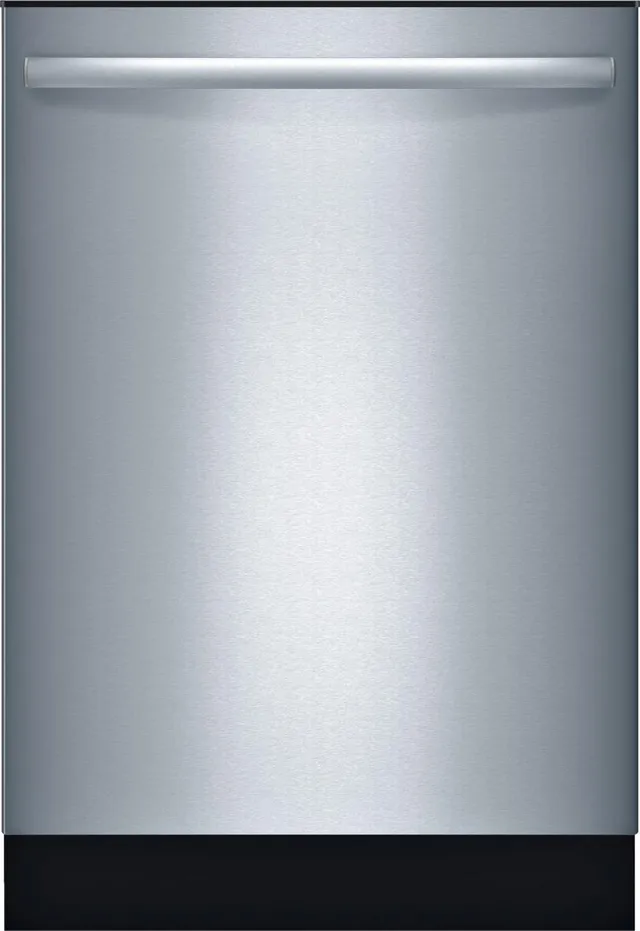
Shop the Bosch Ascenta Dishwasher
Bosch is a great place to start if you want a stainless steel tub. This brand is known for using durable materials that are built to last. In fact, every dishwasher must pass 485 quality checks before it is approved for sale.
While this model is from Bosch’s budget line, Ascenta, it still comes with some great perks. The highlight is PrecisionWash technology with intelligent sensors, so every wash runs with clean water, which means fewer specks and water spots. With 14 place settings, this model is plenty big enough for a full-size household.
One honest detail worth knowing: the Ascenta uses a stainless steel tall tub with a polypropylene bottom. That hybrid construction is common at this price point and is part of how Bosch keeps a stainless machine near $600. You still get the condensation drying and stain resistance that make stainless worth choosing, at 50 dBA.
⭐ Featured Bosch SHX3AR75UC Review
“Previously, I had a Whirlpool which was good but nothing compares to the Bosch. My dishes are so clean and sparkly. Couldn’t be happier.”
→ Learn More: Dishwasher Showdown: Bosch vs KitchenAid
What About Hybrid Dishwasher Tubs?
The plastic-versus-stainless framing leaves out a third option that has quietly become common: the hybrid tub. Several manufacturers, Samsung and Bosch among them, build machines with stainless steel walls and ceiling paired with a molded polymer base.
The logic is straightforward. The walls and ceiling are where condensation drying happens and where most of the noise dampening comes from, so steel there delivers most of the benefit. The floor of the tub does neither job, and polymer is cheaper to mold, easier to shape around the sump and filter assembly, and immune to the rust that occasionally starts at the bottom of an all-steel tub.
- What you keep: Condensation drying, quieter operation, and a stain-resistant interior surface where you actually see it.
- What you give up: Very little in practice. The polymer base can discolor over many years, though it sits below the racks where it is rarely noticed.
- What you save: Hybrids typically land between plastic and full stainless on price, often $100 or so under an equivalent all-steel machine.
- How to spot one: Spec sheets sometimes label it plainly as a hybrid tub, and sometimes describe it as a “stainless steel tall tub with polypropylene bottom.” Both mean the same thing.
If your priority is quiet operation and dry dishes rather than the theoretical maximum lifespan, a hybrid is often the smartest value in the lineup. Our review of Samsung dishwashers covers several models built this way.
Which Should You Buy?
The right answer depends far less on budget than most people assume, and far more on how you actually live with the machine.
Choose a plastic tub if:
- You run fewer than four loads a week: The durability gap only shows up under heavy cycling. Light use makes it largely academic.
- The dishwasher is for a rental or second kitchen: Lower replacement cost matters more than a longer service life you won’t be around to benefit from.
- Your kitchen is closed off from living areas: If nobody is sitting near the machine while it runs, the noise difference costs you nothing.
- You need the lowest possible upfront price: The $100 to $300 you save is real money, and a good plastic tub machine still cleans dishes properly.
Choose a stainless steel tub if:
- You run the dishwasher daily: Heavy use is exactly where the durability and stain resistance pay for themselves.
- You have an open-plan kitchen: A 10 dBA difference is roughly the gap between clearly audible and easy to ignore during dinner or television.
- You run cycles overnight: Quieter operation and condensation drying mean you wake to dry dishes and never hear the machine.
- Wet dishes frustrate you: This is the single most common complaint about plastic tubs, and stainless solves it structurally rather than by adding a heating element.
- You plan to stay in the home: Over a 10-year horizon, the energy savings and longer lifespan usually close the price gap on their own.
East Coast Appliance is the best place to shop for dishwashers in the coastal Virginia area. Not only do we offer the best deals and most competitive promotions, but we also have massive showrooms with a wide variety of products in stock. If you need a dishwasher today, we can help you take one home — or deliver one within a few hours.
Once you decide between a plastic vs stainless steel dishwasher, visit your closest East Coast location or shop online to find your ideal dishwasher.
How to Care for Your Dishwasher Tub
Whichever material you choose, the tub lasts considerably longer with a little routine attention. Plastic tubs benefit most, since staining and odor are the failures that actually make people replace an otherwise working machine.
.png "Credit: AVB Marketing")
- Clean the filter monthly: A clogged filter recirculates food particles, which is the leading cause of both odor and poor cleaning results in any tub material.
- Run a cleaning cycle monthly: A dedicated dishwasher cleaner strips the grease film and hard water scale that dull a stainless interior and stain a plastic one.
- Never use bleach in a stainless tub: Chlorine attacks the protective layer on steel and is the most common cause of the rust people blame on the machine itself.
- Repair chipped rack tines promptly: Exposed metal on a rack rusts and drips onto the tub floor. Replacement tips and dishwasher rack accessories cost far less than the damage they prevent.
- Leave the door ajar after a cycle: Especially important with plastic, where trapped moisture is what lets absorbed odors develop.
- Use rinse aid in hard water areas: It reduces the mineral deposits that etch glassware and permanently spot a plastic interior.
- Scrape, don’t pre-rinse: Modern soil sensors need something to detect. Pre-rinsing makes the machine run a lighter cycle than your load actually needs.
Frequently Asked Questions about Plastic vs Stainless Steel Dishwashers
Just like the name sounds, the main difference between the two options is the construction material. Plastic tubs are lighter and more affordable, which means you might save on a dishwasher with this material. Stainless steel tubs are more durable, quieter, better at drying, and more resistant to stains and odors, making them a better option in luxury kitchens or for high-use households.
Yes. Plastic dishwasher tubs are made of high-quality polymer engineered to withstand repeated high-temperature cycles, and they go through an intensive testing process before reaching the market. They should also fully dry between cycles so the appliance stays sanitary and odorless, which is helped considerably by leaving the door ajar after a load.
On most measures, yes. Stainless steel wins on drying, energy efficiency, noise, stain and odor resistance, durability, and cycle options. Plastic wins on upfront price and cannot rust. Whether stainless is worth the extra $100 to $300 depends on how often you run the machine and whether you can hear it from where you spend your evenings.
Open the door and look at the interior walls, or check the spec sheet for a line labeled Tub Material. Be careful not to rely on the product name — a dishwasher advertised as “stainless steel” is usually describing its exterior finish, and can have a plastic tub inside. This is the most common mix-up buyers run into.
Because plastic doesn’t hold heat. Stainless tubs dry through condensation — steam collects on the cooler metal walls and drains away instead of resettling on your dishes. Plastic can’t do that, so those machines rely on a heating element or a fan. Features like GE’s Dry Boost exist specifically to compensate, and using rinse aid helps noticeably.
Yes, and this is one of the clearest differences between the two. Plastic is porous, so tomato sauce, coffee, turmeric, and hard water minerals gradually discolor the interior, and the surface can absorb odors. Stainless steel is non-porous and resists both. Running a monthly cleaning cycle slows plastic staining considerably but won’t prevent it entirely.
It can, though it is uncommon and usually preventable. Rust appears where the protective surface layer has been compromised — most often from chipped rack tines exposing bare metal underneath, or from chlorine bleach attacking the finish. Most manufacturers warrant stainless tubs against rust-through, which tells you how rare a genuine tub failure is.
Generally $100 to $300 more than a comparable plastic tub model. Plastic tub dishwashers typically run about $400 to $750, while stainless tub models start around $600 and climb past $1,200 for premium machines. Over a ten-year lifespan the lower energy use and longer service life often close most of that gap.
A hybrid tub pairs stainless steel walls and ceiling with a molded polymer base. You keep condensation drying, quieter operation, and a stain-resistant surface where you see it, while the manufacturer saves on the floor, which contributes to neither. Spec sheets may call it a hybrid tub or describe it as a stainless tall tub with a polypropylene bottom.
Yes. Stainless tub models commonly run 40 to 50 dBA while plastic tub models generally sit at 50 dBA and above. That difference sounds small on paper but the decibel scale is logarithmic — roughly the gap between a machine you clearly hear across an open-plan room and one you have to listen for.
Why Trust East Coast Appliance?
Locally owned and operated since 1988, East Coast Appliance is the largest independent appliance dealer in Virginia. We sell it ALL — from new name-brand appliances to scratch-and-dent appliances to our very own refurbished appliances. Aside from our huge selection of every major brand and everyday low prices, what sets us apart from our competitors is that we service what we sell and that we are locally owned and operated with factory-trained associates. And if you’re a local, great news: East Coast Appliance is committed to providing the absolute lowest prices on the same available brand and model — simply bring in the ad of the local retail competitor while the lower price is in effect and you’ll receive your price match.
Shop Dishwashers at East Coast
There is a reason we are dubbed “The Discount King” — for unbeatable deals, shop dishwashers online at East Coast Appliance. Our friendly associates are always happy to help you choose between a plastic vs. stainless steel dishwasher, whether you call us or use our online chat feature. Better yet, stop by one of our showrooms to see why we are the best appliance store in Virginia. Visit us today!
→ Learn More: Dishwasher Showdown: Bosch vs KitchenAid